The Story of Alingiri Hard Wood Ltd.
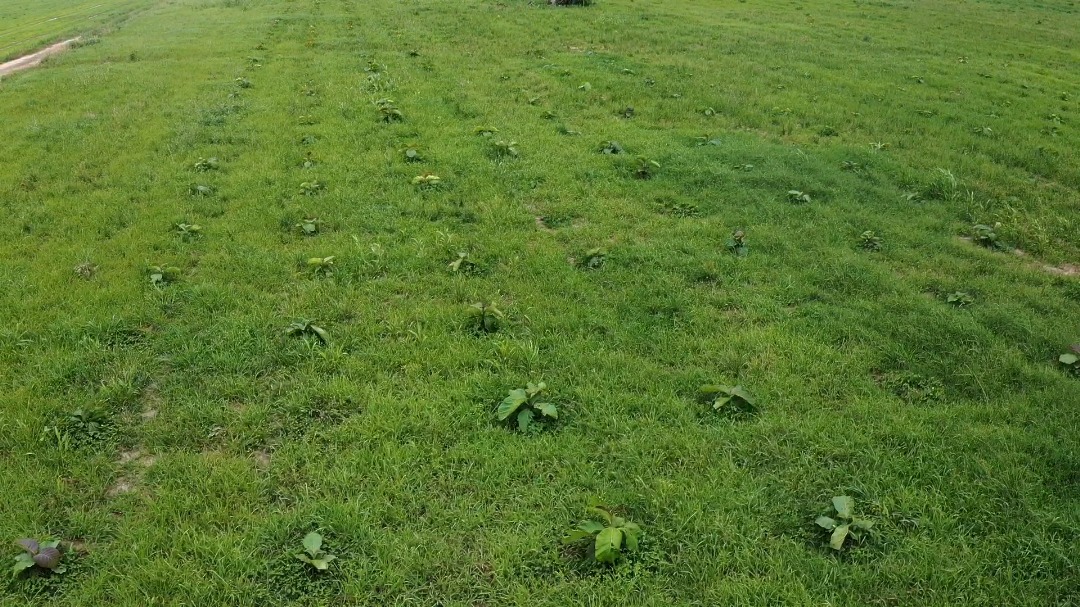
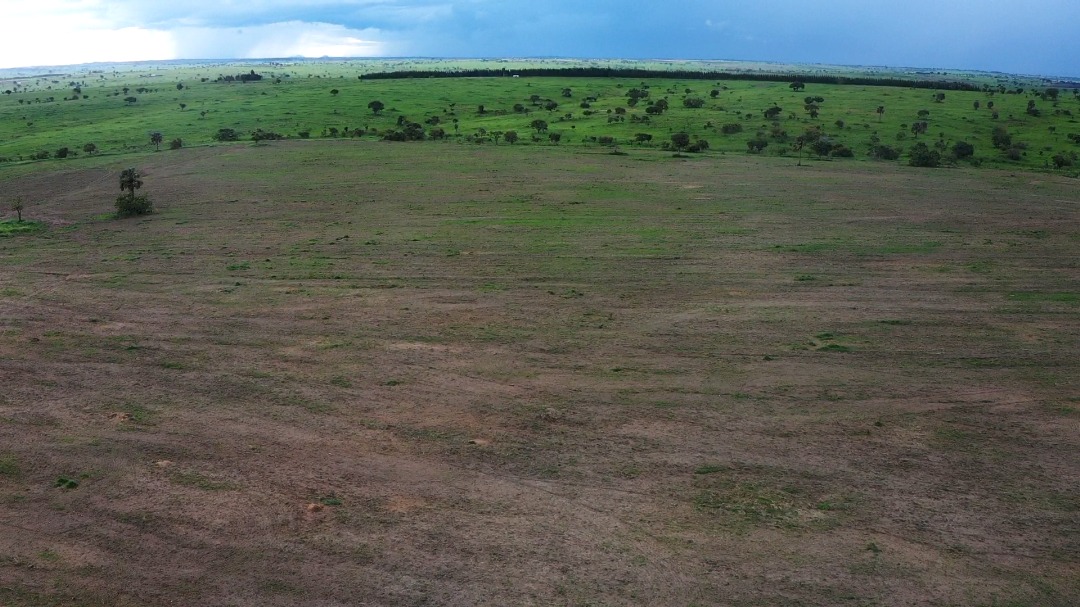
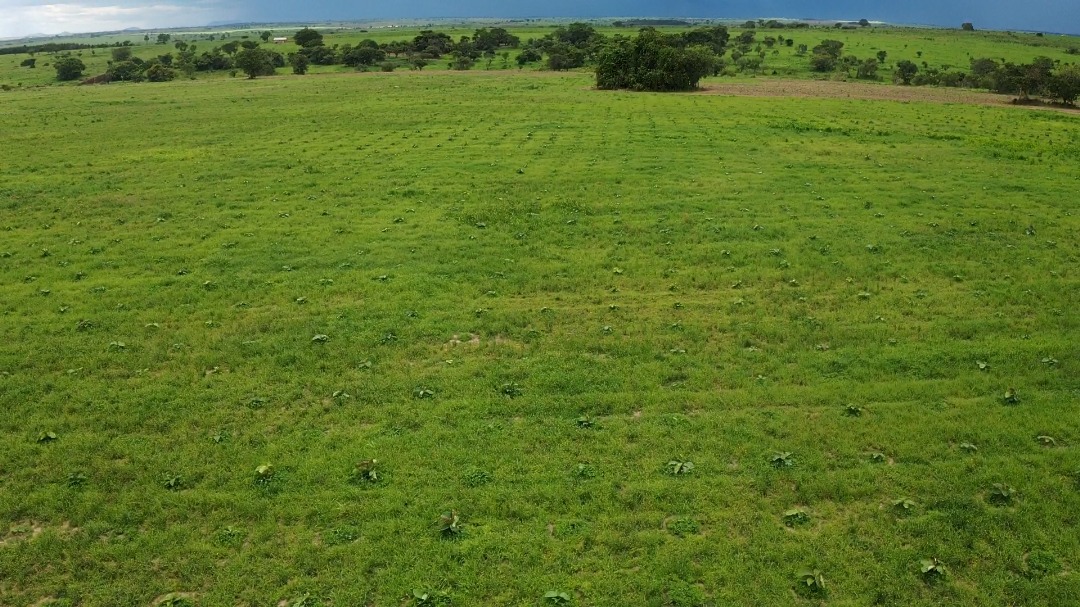
In the heart of Uganda, an ambitious forestry project is taking root. In 2025, Alingiri Hard Wood Ltd. (AHW) enters its most pivotal phase, with 200 hectares of land being planted with seven carefully selected tree species. The project began the previous year with 22 hectares, but it is this year that the vision truly comes to life.
Behind the effort is an experienced team based at the NUAC farm. Over the past five years, approximately 380 hectares have been planted at NUAC, creating a solid foundation of knowledge and practical expertise—now being carried into the AHW project.
From Soil to Canopy
The seven tree species – Grevillea robusta, Eucalyptus, Gmelina, Musizi, Mvule, Khaya, and Tectona grandis – were chosen based on soil analysis, fire resistance, and resilience to local insect species. An initial list of 11 species was narrowed to seven to ensure optimal adaptation and long-term sustainability.
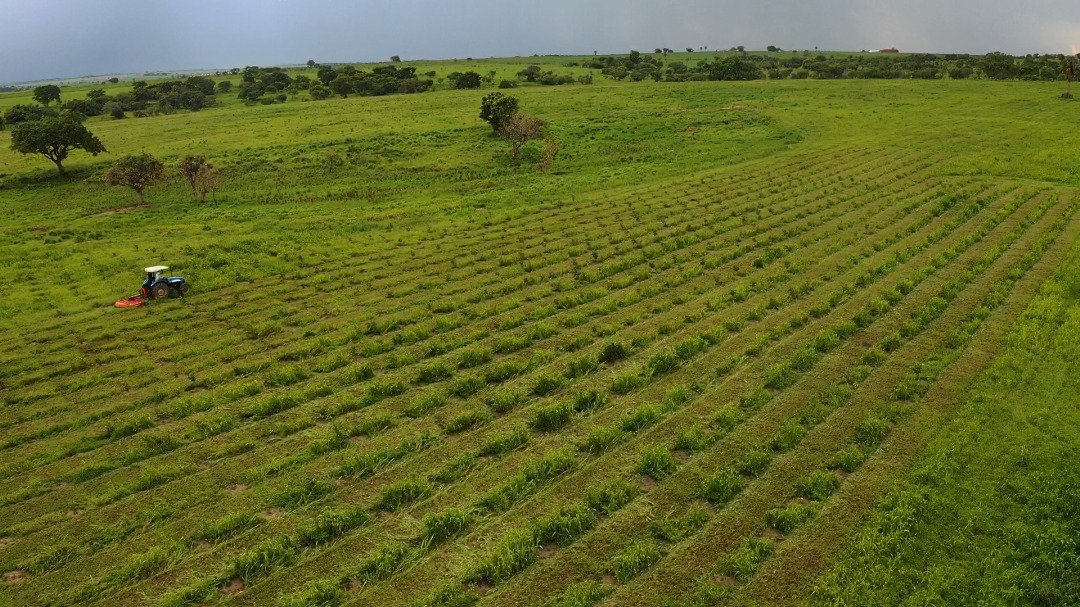
Planting is scheduled in two phases and is closely aligned with the region’s rainy seasons. The first phase – 100 hectares – will begin at the end of April, with the second expected to start in July or August, depending on weather conditions. The area is divided into 5-7 hectare blocks, each planted with a single tree species, but arranged to promote biodiversity. Approximately 15 hectares are reserved for firebreaks.
Land preparation includes termite mound removal, two rounds of disc harrowing, stone collection, light harrowing, and manual marking. Each planting hole receives NPK fertilizer (17-17-17) and ongoing termite treatment.
Locally Rooted and Sustainable
A key strength of the project is the farm’s on-site nursery, where most of the trees are propagated—either as clones or from seed. The young plants are grown in small pots filled with a tailored soil and fertilizer mix, then hardened in open sun before being transplanted. Tree species that cannot be produced locally are sourced externally—this year, 43,000 seedlings have been ordered.
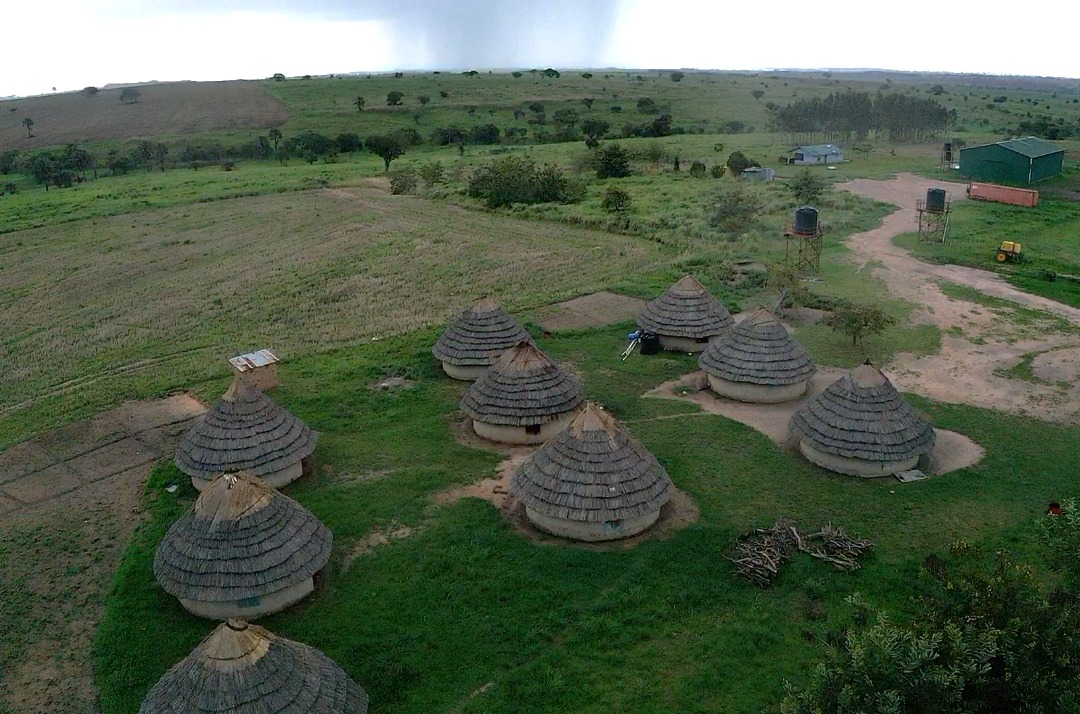
Local involvement is strong. Currently, 20 forestry workers live and work on the farm, and this number is expected to grow to 40 as planting progresses. A full-time cook provides three nutritious meals per day, and fruit trees and vegetable gardens are being established to supplement their diet.
To protect the area, 24/7 security is in place, with two guards and two dogs patrolling the grounds. A recent incident involving a young hyena—killed by the guard dogs—illustrates the challenges of working in this environment and the need for constant vigilance. Plans are also underway to invest in a motorcycle for patrolling and emergency transport.
A Seasoned Leader
Leading the project is Peter Bruun, a seasoned Danish farmer and manager with over four decades of experience in agriculture and development work across Africa. Since 2019, he has served as farm manager at NUAC, with previous assignments in Somalia, Sierra Leone, Ethiopia, and Burkina Faso.
Peter formerly managed a 1,000-hectare farm in Denmark and now combines technical know-how with hands-on leadership and deep local insight. Under his guidance, Alingiri Hard Wood Ltd. is more than a forestry initiative—it is an investment in knowledge, community, and long-term sustainability.
COMPANY
Alingiri Hard Wood Ltd.
Uganda
PRODUCT
Forestry
NO. OF EMPLOYEES
20
JONATHAN GROUP - STAKE
25%

Tree Species Overview
- Grevillea robusta – Fast-growing shade and timber tree
- Eucalyptus – Resilient, fast-growing, soil-sensitive
- Gmelina – Light wood, ideal for furniture
- Musizi – Locally adapted to Ugandan conditions
- Mvule – Durable hardwood, premium quality
- Khaya – African mahogany, sought after for interiors
- Tectona grandis – High-value teak for export
Planting Timeline
- Nov 2024 – 22 ha planted
- Dec–Mar – Dry season & land preparation
- Apr 2025 – Phase 1 planting (100 ha)
- Jul/Aug 2025 – Phase 2 planting
- 15 ha reserved for firebreaks
Workforce & Welfare
- 20 workers (expanding to 40)
- 3 daily meals by staff cook
- On-site kitchen garden & fruit trees
- 24/7 security with dogs
- Motorcycle planned for patrols and transport
Nursery Production
Most trees are propagated locally as clones or from seed.
70% grown in-house • 30% outsourced (43,000 trees)
Cuttings and seeds
- Propagation in pots with specialized soil
Outplanting
- Hardening off trees in the sun before outplanting
Planting Process
- Clear termite mounds
- Disc harrow (x2)
- Light harrow (Kelly)
- Manual planting grid marking
- Apply NPK (17-17-17) + termite treatment